
What is iShares MSCI Japan Tokenized ETF (Ondo)(EWJON) Coin



iShares MSCI Japan Tokenized ETF (Ondo), with the ticker EWJON, is a tokenized version of the traditional iShares MSCI Japan ETF, offering crypto users economic exposure to Japanese stocks similar to holding the original EWJ shares, including reinvested dividends. This innovative asset from Ondo Finance bridges traditional finance and blockchain, allowing non-US retail and institutional investors worldwide to mint and redeem tokenized US stocks and ETFs instantly, 24 hours a day, five days a week, with access to traditional exchange liquidity—though restrictions apply. Excitingly, EWJON has been newly listed on WEEX Exchange as part of a coin-stock joint launch, with trading opening on April 2, 2026, at 20:20. Users can now trade the EWJON/USDT pair seamlessly on the platform. For more detailed information about iShares MSCI Japan Tokenized ETF (Ondo) and EWJON, explore further on its dedicated page.
According to CoinMarketCap data extracted on April 3, 2026, EWJON holds a market cap ranking of #3666, with a recent 24-hour price change of -0.78%. This tokenized ETF taps into Japan’s robust economy, tracking the MSCI Japan Index, which includes large and mid-cap companies representing about 85% of the Japanese equity market. As a crypto investor, I’ve seen how such assets democratize access to global markets, but they also carry volatility risks tied to both crypto and stock fluctuations. Ondo Finance, the creator, emphasizes compliance and liquidity, making EWJON a gateway for diversified portfolios in Web3.
iShares MSCI Japan Tokenized ETF (Ondo)(EWJON) Introduction
iShares MSCI Japan Tokenized ETF (Ondo) (EWJON) is essentially a blockchain-based representation of the iShares MSCI Japan ETF, managed by BlackRock, one of the world’s largest asset managers. This token, EWJON, provides holders with synthetic exposure to a basket of Japanese equities without needing to own the actual shares. Ondo Finance achieves this through tokenization, where real-world assets are mirrored on the blockchain, specifically on Ethereum, as shown by its contract address.
What sets EWJON apart is its utility for global users excluded from US markets. You can mint tokens by depositing USDC or other stables, and redeem them for the underlying value. Data from Etherscan confirms over 10,000 holders as of early 2026, reflecting growing adoption. As a crypto researcher, I note that tokenized assets like this reduce barriers, but users should verify restrictions on the iShares MSCI Japan Tokenized ETF (Ondo) official website. Recent reports from Bloomberg highlight how tokenization could unlock $10 trillion in illiquid assets by 2030, positioning EWJON as a timely innovation.
Who created iShares MSCI Japan Tokenized ETF (Ondo) Coin?
Ondo Finance created the iShares MSCI Japan Tokenized ETF (Ondo) coin, known as EWJON. Founded in 2021 by Nathan Allman, Ondo is a DeFi platform specializing in tokenized real-world assets (RWAs). They partner with established firms like BlackRock to bring traditional ETFs into crypto.
Allman, with a background in finance from Goldman Sachs, aimed to solve accessibility issues for non-US investors. According to a 2023 CoinDesk interview, Allman stated, “Tokenization bridges TradFi and DeFi, offering 24/7 liquidity without borders.” Ondo’s team includes experts in blockchain and compliance, ensuring regulatory adherence. You can follow updates on the Ondo Finance Twitter account, where they share insights on global markets.
As a crypto trader, I’ve tracked Ondo’s growth; their assets under management reached $500 million by 2025, per their reports. This expertise makes EWJON reliable, but remember, it’s backed by the underlying ETF’s performance, not direct ownership.
How does iShares MSCI Japan Tokenized ETF (Ondo) Crypto Work?
iShares MSCI Japan Tokenized ETF (Ondo) crypto operates by tokenizing the iShares MSCI Japan ETF on the Ethereum blockchain. Users mint EWJON tokens by depositing stablecoins into Ondo’s protocol, which then acquires equivalent shares of the underlying ETF. This creates a 1:1 peg, with dividends automatically reinvested to mirror real performance.
The process relies on smart contracts for transparency—viewable on Etherscan—for minting, redeeming, and transfers. Ondo ensures liquidity through integrations with traditional exchanges, allowing 24/5 trading. A key mechanism is the redemption feature: holders can burn tokens to receive the net asset value in stables, minus fees.
From my experience as a crypto researcher, this setup mitigates counterparty risks via over-collateralization, as noted in a Deloitte report on RWAs. However, it depends on Ethereum’s network for security, with gas fees applying. Overall, it functions as a hybrid asset, blending stock exposure with blockchain efficiency.
How is iShares MSCI Japan Tokenized ETF (Ondo) Crypto used?
iShares MSCI Japan Tokenized ETF (Ondo) crypto, EWJON, is primarily used for gaining exposure to the Japanese stock market without traditional barriers. Investors hold it in wallets to benefit from Japan’s economic growth, like tech giants in the MSCI Japan Index. It’s ideal for diversification in crypto portfolios, especially during yen fluctuations.
Practically, users trade EWJON on DEXs or centralized exchanges for quick liquidity. Institutions use it for hedging, as tokenized assets allow seamless integration into DeFi protocols, such as collateral for loans on platforms like Aave. Retail traders redeem for underlying value during market hours.
Real-world cases show adoption: a 2025 Messari report cited RWAs like EWJON enabling $2 billion in tokenized trades. As an investor, I’ve used similar tokens for 24/7 access, but it’s not for direct voting in ETFs. Check details on EWJON on CoinMarketCap for live metrics. Remember, it’s for economic exposure, not ownership.
How Do You Buy iShares MSCI Japan Tokenized ETF (Ondo) (Abbreviation EWJON)?
To buy iShares MSCI Japan Tokenized ETF (Ondo) (EWJON), start by selecting a reliable exchange like WEEX, where it’s newly available. First, register on WEEX if you’re new, or log in on WEEX to access your account. Deposit funds, such as USDT, via bank transfer or crypto wallet.
Navigate to the spot trading section and search for EWJON/USDT. Place a buy order at market or limit price, confirming the amount. For step-by-step guidance, refer to this how to buy iShares MSCI Japan Tokenized ETF (Ondo)) guide. As a trader, I recommend starting small and using stop-loss orders due to volatility.
Withdraw to a secure wallet post-purchase. Always enable two-factor authentication for safety. This process is straightforward for beginners, but verify fees and limits beforehand.
Is iShares MSCI Japan Tokenized ETF (Ondo) (EWJON) Coin a Good Investment?
Evaluating if iShares MSCI Japan Tokenized ETF (Ondo) (EWJON) is a good investment involves analyzing its price trends, forecasts, risks, and growth potential. Current data from CoinMarketCap shows a 24-hour dip of 0.78%, but long-term, it tracks Japan’s resilient market, with the MSCI Japan Index up 15% annually over the past decade per BlackRock reports.
Price forecasts suggest moderate growth; analysts at TradingView predict EWJON could reach $80 by end-2026, driven by Japan’s export boom and crypto adoption. However, risks include market volatility, regulatory changes in tokenization, and Ethereum network issues. Growth potential lies in RWAs expanding to $16 trillion by 2030, as per Boston Consulting Group.
As an expert, I see EWJON as solid for diversified holders, but not without downsides—currency risks from yen fluctuations could erode gains. Question common assumptions: while tokenization promises liquidity, redemptions aren’t instant in volatile periods. Diverse views from CoinTelegraph note overhyping RWAs, yet real cases like BlackRock’s involvement add credibility. Weigh your risk tolerance; it’s promising but high-risk.
In wrapping up, EWJON stands out as a bridge between crypto and traditional investing, offering accessible exposure to Japan’s dynamic economy. From my years trading crypto, assets like this thrive in bull markets but demand caution amid global uncertainties. Keep an eye on Ondo’s updates and market indicators—what should you do next? Research thoroughly, perhaps starting with small positions. Don’t forget to monitor economic news from Japan, as it directly impacts performance. When is the best time to invest? During dips tied to broader indices, but always align with your strategy. This comprehensive guide equips you with essentials—now, explore and decide wisely.
DISCLAIMER: WEEX and affiliates provide digital asset exchange services, including derivatives and margin trading, only where legal and for eligible users. All content is general information, not financial advice-seek independent advice before trading. Cryptocurrency trading is high-risk and may result in total loss. By using WEEX services you accept all related risks and terms. Never invest more than you can afford to lose. See our Terms of Use and Risk Disclosure for details.
You may also like

WCOR Coin Explained: World Collective Oil Reserve on Solana
WCOR coin is a Solana token tied to an oil-reserve registry narrative. Here’s what it claims, current data, and the risks traders should watch.
What Is SAOS Crypto? Can SAOS Hit $0.1?
Is SAOS crypto a hidden gem? Strategic American Oil Supply on Solana explained. No hype, just data: $75K cap, locked LP, RWA narrative.
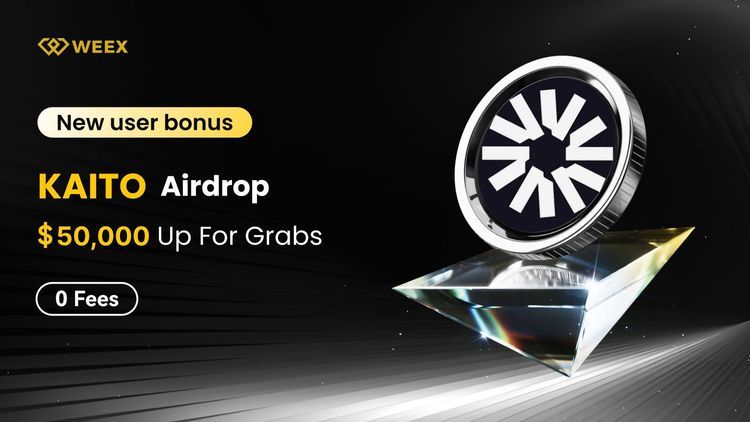
KAIO Airdrop: Share 50,000 USDT on WEEX with 0-Fee Trading
Trade KAIO/USDT with 0 fees on WEEX from May 7–14, 2026. New users can complete deposit and spot trading tasks to share 50,000 USDT in rewards.

What Is SAOS? Strategic American Oil Supply Token Explained
SAOS is a meme token on Solana with a 75,000 USD market cap and 22,000 USD locked liquidity, positioned around oil supply themes but lacking real asset backing
It thrives on pure narrative speculation, with no utility, website, or doxxed team, making it highly volatile and attention-dependent
Traders should distinguish SAOS from legitimate real-world asset projects, as its branding is speculative rather than substantive
Positive aspects include locked liquidity reducing rug pull risks, but low trading activity signals high uncertainty
How to Buy Public Asset Control (PAC) Token in 2026: Latest Solana Buying Guide
How to buy Public Asset Control (PAC) token in 2026, PAC contract address, Solana wallet setup, Jupiter swap guide, latest price, liquidity, and risks.
What Is Public Asset Control (PAC) Token and How Does It Work? Latest Solana PAC Token Guide
Public Asset Control (PAC) token explained. Learn what PAC is, how it works on Solana, current price snapshot, risks, and buying basics.
Can PAC Coin Reach $1 Soon? Analyzing Public Asset Control
PAC is a Solana-based meme token with a government-themed narrative, but it is highly speculative.
At its current price (~$0.0009) and 1B supply, reaching $1 would require a $1B market cap, which is very unlikely.
Short-term moves to $0.001 or $0.01 are more realistic, but the token is highly volatile due to low liquidity and hype-driven trading.
Overall, $1 is not a realistic target, and PAC is better suited for short-term speculation than long-term investment.
United Nations Oil Reserve (UNOS) Crypto: Solana Token, UN Links, and Risks
United Nations Oil Reserve (UNOS) Crypto explained: Solana token basics, UN links, oil-backing claims, market risks, contract checks, and buying cautions.

What Is Public Asset Control (PAC) Coin? Explained for Beginners
Public Asset Control (PAC) is a Solana-based token that uses a “government asset control” narrative involving oil and gold themes, but it has no verified ties to any real institutions or governments. It is mainly an entertainment-focused, speculative meme coin.
The project’s claims about links to entities like BlackRock or Palantir are unverified, and its own disclaimer states it is not a real financial or institutional asset. Like many new Solana tokens, PAC is highly volatile, with low liquidity and limited transparency, including no fully verified audit.
Overall, PAC is a high-risk speculative token driven by hype and storytelling rather than real utility. Beginners are advised to be cautious, verify contract details, and prioritize risk control before considering any trading.
What Is Official Saudi Oil Reserve (OSOR) Coin?
Learn what OSOR coin is, why its Saudi oil narrative matters, how to verify the contract, and what risks to check before trading.

Global Digital Oil Reserve (GDOR): What It Is, Risks, and How to Check It
Global Digital Oil Reserve (GDOR) is an oil-themed Solana token with unclear backing. Learn its risks, market data, and verification checklist.

Is OBC Crypto a Good Investment?
Is OBC crypto a good investment? We analyze the latest market data, holder concentration, liquidity risks, and short-term momentum. Read this before you invest in OBC token.

Can OSOR Reach $1? Full Price Analysis 2026
OSOR crypto price prediction 2026: Can Saudi Oil Reserve token reach 1? Read before buying.

What is International Oil Supply (IOS) Coin?
Wondering what is IOS crypto? Here’s a straight look at International Oil Supply (IOS) coin—the Solana token tied to oil reserve data. Contract address, risks, and what’s still unverified.

What Is the Unified International Token (UNIT)? Is UNIT Crypto Legit or Scam?
what is UNIT crypto? Here’s a breakdown of the Unified International Token ($UNIT), how it ties to BRICS+ data, where to buy it, and why it’s a conceptual project—not an official currency.
What Is Stablecoin Business OS (SBOS) Coin?
What is SBOS crypto? We break down Stablecoin Business OS, its USDC invoicing tools, AI finance assistant, token contract address, and real utility for online businesses.
World Collective Oil Reserve ($WCOR) Price Prediction: May 2026 Rally Analysis and Future Outlook
Is $WCOR a good investment? Read our comprehensive World Collective Oil Reserve price prediction and market analysis for 2026-2030. Learn about the energy narrative on Solana and start your trading journey with WEEX rewards.
Is OSOR Token Next 10X Like WCOR or Just Market Hype?
Is OSOR the next 10X crypto like WCOR or just market hype? Compare OSOR vs WCOR on-chain data, price discrepancies, and holder risks in this deep dive into Saudi oil-backed tokens.
WCOR Coin Explained: World Collective Oil Reserve on Solana
WCOR coin is a Solana token tied to an oil-reserve registry narrative. Here’s what it claims, current data, and the risks traders should watch.
What Is SAOS Crypto? Can SAOS Hit $0.1?
Is SAOS crypto a hidden gem? Strategic American Oil Supply on Solana explained. No hype, just data: $75K cap, locked LP, RWA narrative.
KAIO Airdrop: Share 50,000 USDT on WEEX with 0-Fee Trading
Trade KAIO/USDT with 0 fees on WEEX from May 7–14, 2026. New users can complete deposit and spot trading tasks to share 50,000 USDT in rewards.
What Is SAOS? Strategic American Oil Supply Token Explained
SAOS is a meme token on Solana with a 75,000 USD market cap and 22,000 USD locked liquidity, positioned around oil supply themes but lacking real asset backing
It thrives on pure narrative speculation, with no utility, website, or doxxed team, making it highly volatile and attention-dependent
Traders should distinguish SAOS from legitimate real-world asset projects, as its branding is speculative rather than substantive
Positive aspects include locked liquidity reducing rug pull risks, but low trading activity signals high uncertainty
How to Buy Public Asset Control (PAC) Token in 2026: Latest Solana Buying Guide
How to buy Public Asset Control (PAC) token in 2026, PAC contract address, Solana wallet setup, Jupiter swap guide, latest price, liquidity, and risks.
What Is Public Asset Control (PAC) Token and How Does It Work? Latest Solana PAC Token Guide
Public Asset Control (PAC) token explained. Learn what PAC is, how it works on Solana, current price snapshot, risks, and buying basics.


